Can Sleeping with the TV On Affect Your Dreams?
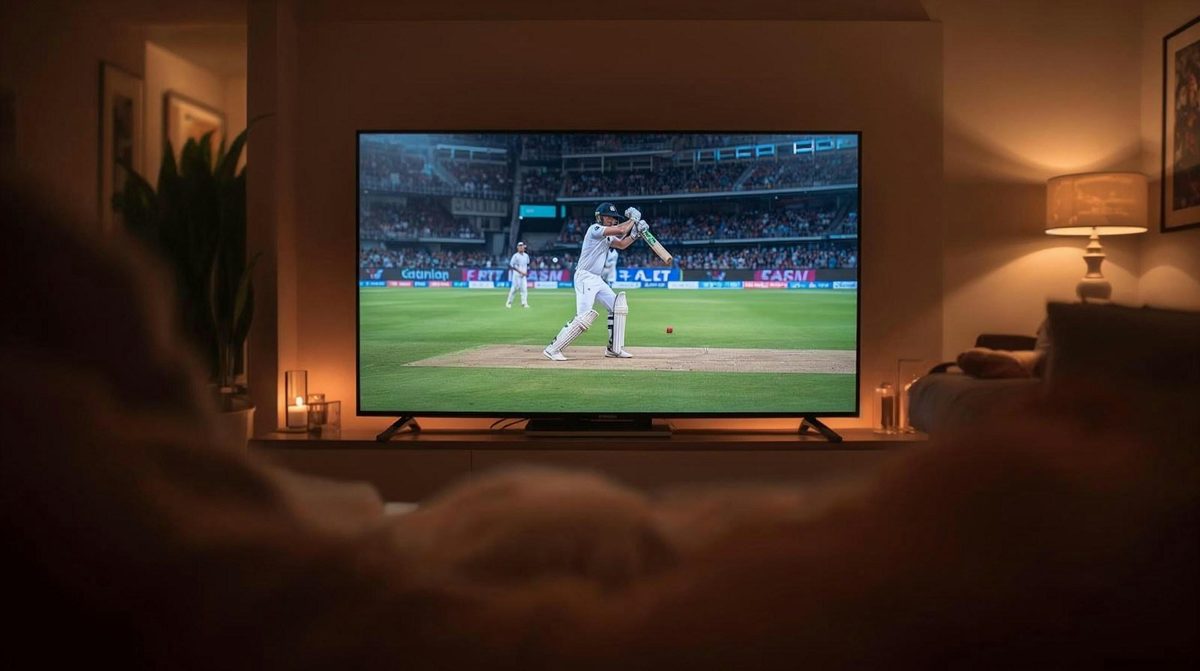
In this article I’m going to look at a very interesting topic: ‘Can sleeping with the TV on affect your dreams?’
We are going to look at sub topics, such as
- What happens when we dream?
- How can the TV become part of a dream?
- How TV light can change sleep
- Why do some people like sleeping with the TV on?
- Safer ways to keep the TV on at bed time.
- What should you do if your dreams change?
In a research paper titled, “Impact of Pre-Sleep Visual Media Exposure on Dreams: A Scoping Review” by Diushekeeva, Hidalgo, and Zadra, which was published in Brain Sciences in 2024.
https://pmc.ncbi.nlm.nih.gov/articles/PMC10503965/
The researchers reviewed 29 experimental studies examining whether exposure to moving visual media before sleep affects subsequent dreams.
They opined and came out with the following conclusions
This is what they found out.
Whatever we view prior to bed time can make entry to our dreams.
For example, if you watch a horror movie just before going to bed, parts of the movie may surface in your dream world.
TV and movies can have a great impact on what we dream about.
We often dream about the characters, places, events, or feelings we saw before going to sleep.
TV and other visual media may not necessarily always make people forget their dreams.
Some studies found that people have fewer dreams recall after watching exciting or stressful movies. While other studies found that people have better recall after certain types of movies.
Dreaming and having perfect dream recall are different things.
As you can have a dream but forget it as soon as you wake up. So, not remembering a dream does not necessarily mean you did not dream.
However the researchers could not establish that watching TV prior to going to bed causes poor dream recall.
As the results were different from one study to another.
The strongest keynote about the paper was about dream content rather than dream recall.
The research gives better evidence that things we watch before sleeping can become part of our dreams than it does that TV makes us forget our dreams.
Therefore, watching TV or other visual media before bedtime may affect our dreams. What we watch can sometimes appear in our dreams and change what we dream about.
What Happens When We Dream?
We are now going to look at the first of our sub topics “What happens when we dream”
According to an article published on the Sleep Foundation website and updated May 2, 2024. The article tried to establish and set dreams as experiences which occur during sleep. An average dream experience includes sensations, sounds,thoughts, feelings and images.
Dreams can be awful and strange as the brain activities during sleep may show a person in a classroom and in an instant the dreamer can suddenly find himself in a beach enjoying the sea breeze. A person may see strange assailants on his trail one moment and the next he may lift up and fly like a superman.
According to the article, many dreamers dream in the first person, that is we experience the dream as ourselves, but it can also contain other persons such as friends, teachers, and even strangers we may not know.
However, scientists over time tried to find out the activities taking place in the brain while dreaming?
Dreaming can occur during different stages of sleep, but it is most vivid during rapid eye movement sleep REM. In this stage of sleep, there's an increase in brain activity. And dreams during this stage are mostly vivid, emotional, unusual, and sometimes bizarre.
There's another stage in which dreaming can occur known as the non rapid eye movement, non-REM. Here dreams are less vivid and may be more like thoughts or memories. Rapid eye movement sleep REM is usually longer during the later part of the night close to day break. The reason people experience a longer and more vivid dream experience.
During REM sleep, the brain is active, and the eyes move quickly under the eyelids.
For details of the article see link below
https://www.sleepfoundation.org/dreams
How Can the TV Become Part of a Night Dream?
How Can TV Become Part of a Dream?
If you have ever watched a TV series, just before your bedtime you would have noticed that most times you have dreamt about the show. This can be a regular occurrence because some of the things we see, think about, and feel in the waking state can impose themselves in our nightly dreams.
Researchers carried out a study and tried to establish a connection between television and dreams. In a research paper published in the International Journal of Dream. Researchers studied about 1,966 people and asked requisite questions about their use of visual media and dreams. They studied television, books, video games, and social media.
TV Elements Can Become Part of Our Dreams
Researchers established a connection between the amount of time people spent interacting with a particular type of media and how often that type of media appeared in their dreams. It was true for all eight types of media studied.
Television was popular and held an interesting keypoint to the study. Entertainment, action movies, and the News made their way into people's dreams. According to the report. Entertainment programs were the type of media that appeared most often in dreams in this study.
Imagine a young child watching a movie about Crocodiles. If the movie is exciting, chances are that the child may keep thinking about it after the movie ends. Later, the child may dream about Crocodiles.
The dream may not replicate the details of the movie exactly. But the child could dream about running from Crocodiles, finding them in a strange place, or going on an adventure.
Strong Attachment and Feelings May Matter
It is not necessarily the amount of TV we watch that matters, but the amount of interest or emotion vested in it.
The study found that people who were wholly involved with distinct media they engage with often report dreams containing that type of media. This was also found for news, entertainment and action TVs.
This means that a TV program that makes us very excited, happy, sad, or afraid may stay in our minds after we turn off the television.
That's why watching a horror movie may leave scary images in the mind. Those images or feelings could later become part of a dream. Similarly, the contents of the news may appear and replay in our dreams.
The researchers found that TV news was reported in dreams, and they also discussed earlier research showing that television exposure was connected with dreams containing details from stressful events.
This is proof that dreams contain bits and pieces of our experiences in our wakeful state
Does TV Control Our Dreams?
Watching TV does not necessarily mean that you will dream about what you watched.
Although it was found that there's a connection between media use and its contents appearing in dreams. However It does not prove that watching one particular TV program will always cause a particular dream. The studies also noted that some laboratory studies did not find strong effects from films shown before sleep.
In conclusion, the research affirmed that 55.8% of respondents reported some TV-related dreams when news, entertainment, and action movies were considered together. They also noted that an earlier study found that about 75% of children and teenagers reported TV-related dreams.
So, the next time something from a TV show appears in your dream, it may be connected to something you watched, thought about, or felt while you were awake. Your sleeping brain may simply be using some of the experiences from your day to create a dream.
https://d-nb.info/1271011514/34
How TV Light Can Change Sleep
How Can TV Light Change Your Sleep Pattern?
If you are in the habit of watching television into the wee hours of the night, perhaps you may have experienced a situation where after putting of the TV and trying to sleep you found out that sleep was difficult to come by afterwards
The possible explanation for this may be the light from the TV as light plays a key role in alerting our body when it's time to sleep or stay awake.
The body has an internal clock mechanism which regulates our sleep and waking patterns. As it begins to get dark the body begins to produce a hormone called melatonin, which induces sleep.
Staying under bright light or watching bright light such as from a TV can trick the brain to think it is still day. This is probably why many people find it hard to sleep after watching TV.
Now let's look at what research numbers might mean:
In a 2025 study, the relationship between electronic screen usage and sleep was carried out and published in the JAMA Network. Researchers studied 122,058 adults in the United States.
The study found that people who used electronic screens every day during the hour before going to bed tended to sleep for less time and were more likely to report poor sleep quality. The researchers also found that these people tended to go to bed later.
People who used screens every day slept about 7.6 minutes less on workdays than people who did not use screens before bed. The study also found that daily screen users had a higher chance of reporting poor sleep quality. (Zhong et al., 2025)
However, there's an important distinction to note here– the researchers did not specifically study television, the study took a look electronic visual media which may include media such as smartphones, tablets, computers. TV use was not mentioned even though it's a visual media.
However, the study makes sense and agreed that light from a screen at night may affect sleep. Since television also emits light, it is reasonable to discuss nighttime light as one possible factor. More study would need to be done to ascertain the effects of how TV watching affects sleep.
Nevertheless, TV lights may keep one awake at night anyway. Watching television in a dark room at night keeps the bright light shining in your eyes even when the room is dark. What this does to the brain is that it receives light from the TV screen, remembering light controls the body's internal clock, therefore it becomes harder for the body to feel sleepy.
Although it is necessary to emphasize that the effect may differ from one person to another. The research found that the relationship between electronic screen usage and sleep disorder is stronger in people who stay late at night.
For better sleep, it may be helpful to give your eyes and brain some quiet, darker time before going to bed.
https://pmc.ncbi.nlm.nih.gov/articles/PMC11950897/
Why Do Some People Like Sleeping with the TV On?
Like I observed in the previous section, people are different. Many people like the sound of playing television as it helps them calm their nerves and make them feel less alone. And so help them fall asleep easily. This habit is common, but it does not help everyone sleep well. Research suggests that for some people sleeping with the TV on confers comfort, reduces the effect of unwanted sounds, as well as helps the mind overcome the tendency to worry. Its steady sound may also feel like company.
A psychologist from Cleveland Clinic observed that many people find the sound from television soothing as it helps solve the fear of loneliness, similar to white noise.
Some people like sleeping with the TV on because it's a habit they have developed over time. If a person has watched TV in bed for many years, the brain may connect the sound and light with bedtime.
A favorite program may become part of their relaxing routine before bedtime,
This subject was researched and the question posed to 844 people between 18 and 94 years old. About 31% said they used television as a sleep aid. People who used media to help them sleep reported more fatigue and poorer sleep quality. They did not sleep for fewer total hours, but they tended to go to bed and wake up later. This study found a connection, but it cannot prove that TV caused the poorer sleep. People who already have sleep problems may be more likely to turn on the TV thinking it would solve the problem. Nevertheless, it keeps contributing to the problem as TV light reduces melatonin production, a hormone that helps the body prepare for sleep. Sound can wake a person during the night, especially when the program becomes loud. Also, a study in the laboratory found that sleeping in a sparsely lit room changes heart activity and some stages of sleep in healthy adults. The sound itself may not always be harmful. However, studies found that white or pink noise sometimes improved sleep, but the evidence was not consistent with the respondents examined. Therefore, a quiet sound machine may be a better choice than a bright, changing TV screen.
Some people sleep with the TV on because it gives a comforting and soothing feeling, reduces unwanted noise, and restores calm to an anxious mind. However, the light and changing sound may reduce sleep quality and reduce melatonin production.
https://newsroom.clevelandclinic.org/2024/11/15/why-some-like-to-sleep-with-tv-on
Safer Ways to Use a TV at Bedtime
Many adults watch television before sleeping, people fall into the illusion that not catching up with their popular show makes them lose some of their happiness and wellbeing. On the contrary, it's bad for them. However, a bright screen, loud noise, or late sleeping time can make sleep less restful. The safest route is to turn the television off completely before sleeping. If you still want to use it, a few simple habits can reduce the possible problems.
Using a sleep timer can set the TV to turn off after a short time. This protects you from continued emissions of light and sound all through the night.
The American Academy of Sleep Medicine recommends turning off electronics 30 to 60 minutes before bed and getting at least seven hours of sleep. Fortunately using a timer can help you achieve this.
TV screens emit blue and white light. These blue and white lights pass a message to the brain that you are still experiencing daytime.
The Centers for Disease Control and Prevention says that blue light can lower melatonin, a hormone that helps prepare the body for sleep. It may also make it harder to fall asleep or cause early waking . Lowering the TV light would go a long way. use a night or warm-color setting, and keep the screen farther from the bed. Do not place the TV where its light shines directly into your eyes.
Again the kind of television program you choose to watch matters a lot. Calm programs, news, horror movies, and exciting action shows can make the brain alert or worried. Choosing a comedy show that causes laughter, or a peaceful nature show before bed helps.
Cleveland Clinic experts suggest avoiding stressful news and frightening content near bedtime. The goal is to relax, not to keep thinking about the story. Keep the volume steady and low. Sudden loud voices, music, or advertisements can wake you. Use a low volume and turn on an audio setting that reduces differences between quiet and loud sounds. If you mainly want background noise, try a fan or a sound machine. A review of adult studies found that white and pink noise sometimes helped sleep, but the results were mixed. Therefore, sound may help some people, but it is not a guaranteed treatment.
Using a TV at bedtime is safer when the screen is dim, the program is calm, the volume is low, and a sleep timer is set. Still, turning the TV off before sleep is the best way to give the body a dark and quiet night.
https://aasm.org/americans-are-doomscrolling-at-bedtime-prioritizing-screen-time-over-sleep/
What Should You Do If Your Dreams Change?
If your dream pattern changes, that doesn't mean something is wrong with you. It may be that you are experiencing a change in your sleep cycle, daily events, health or any other thing that affects us in between.
During this change dreams may become more colorful, nightmares may be frequent and they may be easier to recall. So when you notice such changes, check your recent habits, stress levels, worry, grief, or a frightening event, sleeping too little or changing your sleep schedule can also determine a change in your dreams.
Mayo Clinic lists stress, trauma, sleep loss, some medicines, alcohol or drug use, and scary media as possible triggers.
Do well to maintain the same bedtime and wake-up routine each day. Avoid horror movies and disturbing news just before bedtime.
Keep a simple dream and sleep journal, where you record changes in your daily and weekly routine such as bedtime, wake-up time, medicines, alcohol or caffeine use, and whether you remember a dream.
Also note that some medication such as antidepressants, blood-pressure medicines, beta blockers, and other medicines may affect dreams. Do not stop taking medicine on your own. Instead, ask a doctor or pharmacist whether a medicine could be involved and whether a safer change is necessary.
Use of substances or abuse of drugs and alcohol can disturb dreams.
Calm the body before sleep by employing a quiet bedtime routine, such as reading a physical book, doing breathing techniques, writing down your goals and worries and listening to soothing music.
Embarking on regular exercise and having at least 8 hours of sleep can help you maintain a good dream recall.
To cap it up on what to do when your dream changes, know when to seek medical or professional help. A medical professional or psychologist often can point out hidden problems that can cause untoward suffering for years. Seeking professional help bypasses all that.
https://www.mayoclinic.org/diseases-conditions/nightmare-disorder/symptoms-causes/syc-20353515
Conclusion
Sleeping with the TV on may affect your dreams, but the effect is not the same for everyone. Research suggests that what we watch, especially exciting, frightening, or emotional programs, can sometimes become part of our dreams. However, this does not mean that watching TV will always determine what we dream about.
The light from the TV may also affect sleep by making it harder for the body to prepare for sleep. At the same time, some people find the sound of the TV comforting and use it to relax or feel less alone.
If you choose to watch TV before bed, keep the volume low, reduce the brightness, avoid disturbing programs, and use a sleep timer. However, turning the TV off before sleeping is still the best choice for a quiet and dark sleeping environment.
Finally, if your dreams suddenly change, pay attention to your sleep habits, stress, and daily activities. If the changes continue or cause problems, consider speaking with a health professional.
🌙 Help Keep Dream Interpreter Wheel Free
Enjoyed this article? Dream Interpreter Wheel provides a free tool for exploring your dreams, along with useful articles about dreams and sleep.
If you found our website helpful, please consider supporting us.
Your contribution helps us maintain the website and create more free resources. Every contribution is appreciated, but there is no obligation to give.